
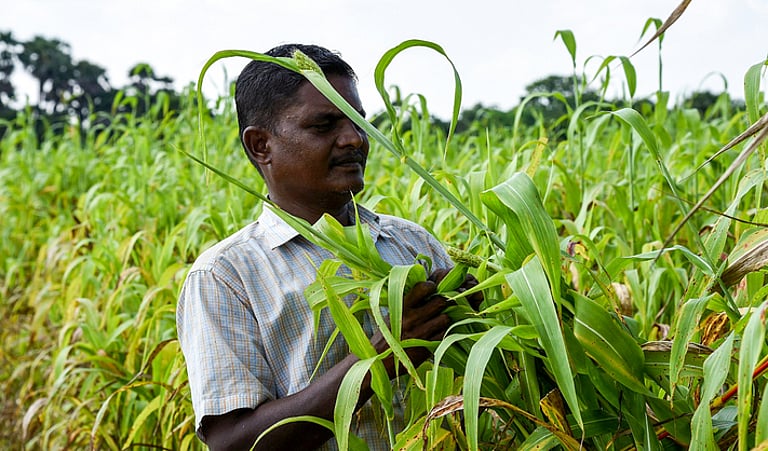
THOOTHUKUDI: Climate change-induced heavy downpour and soaring cultivation costs have pushed several farmers in the rain-fed regions of the district to gradually switch to maize cultivation. The cultivated area of maize crossed 2 lakh acres in 2025-2026, as against the 1.16 lakh acres three years ago.
Thoothukudi has been a major place of cultivation of pulses like black gram and green gram, and major millets like maize (corn), sorghum (Jowar), and cumbu (pearl millet), and vegetables like chilli, coriander, and cucumber. However, the changing rain patterns due to cloud bursts, intense flooding, extended northeast monsoon season, and severe winter have been posing challenges for the farmers in cultivating pulses, which cannot withstand severe rains and stagnation.
A farmer, S Navaneedhan of Gopalapuram near Kovilpatti, said the shifts in rain pattern are not conducive for black gram and green gram crops. “The crops will decay if the farmland gets stagnated for a few days,” he said, adding that the yield drops due to the vagaries of the weather.
R Narayanasamy of Achankulam said the monsoon season extending till January spoils the harvest of fully-grown crops standing with grains, thus affecting the yield and the remuneration. As maize is a five-month crop, it can sustain unexpected rain in January, he said.